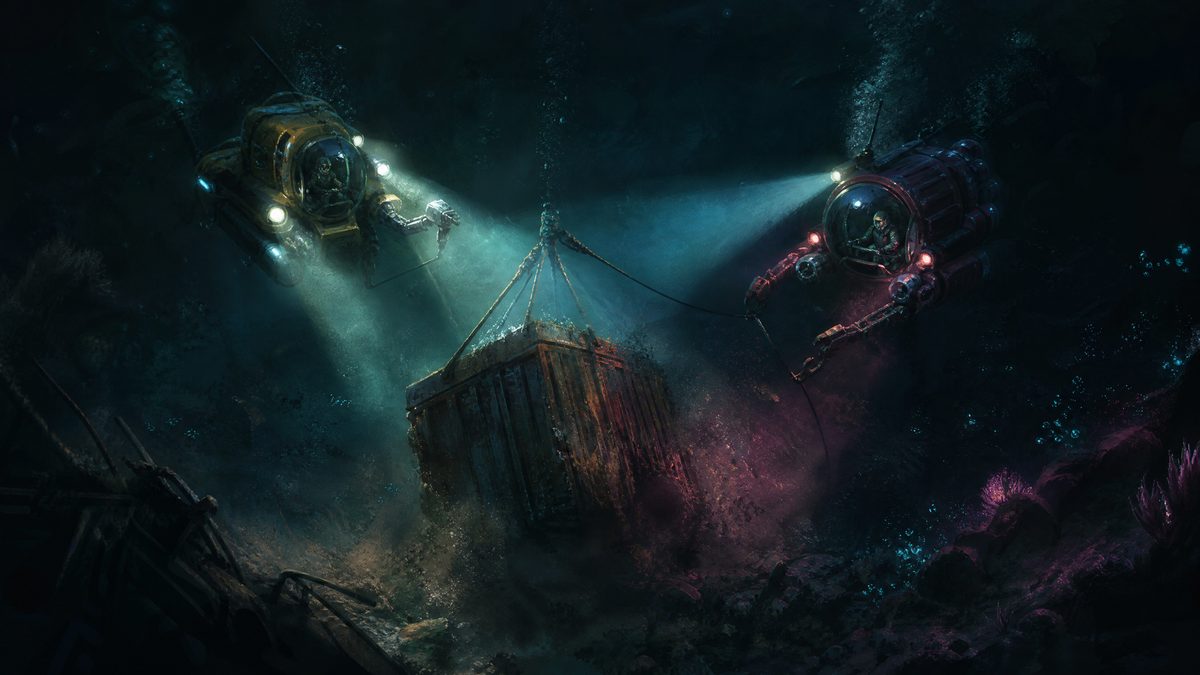
Thirty-four hours in a pair of submersibles, and the thing we noticed by hour six was that we had stopped talking. Not because the game was quiet, but because it had taught us to read each other's floodlights instead.
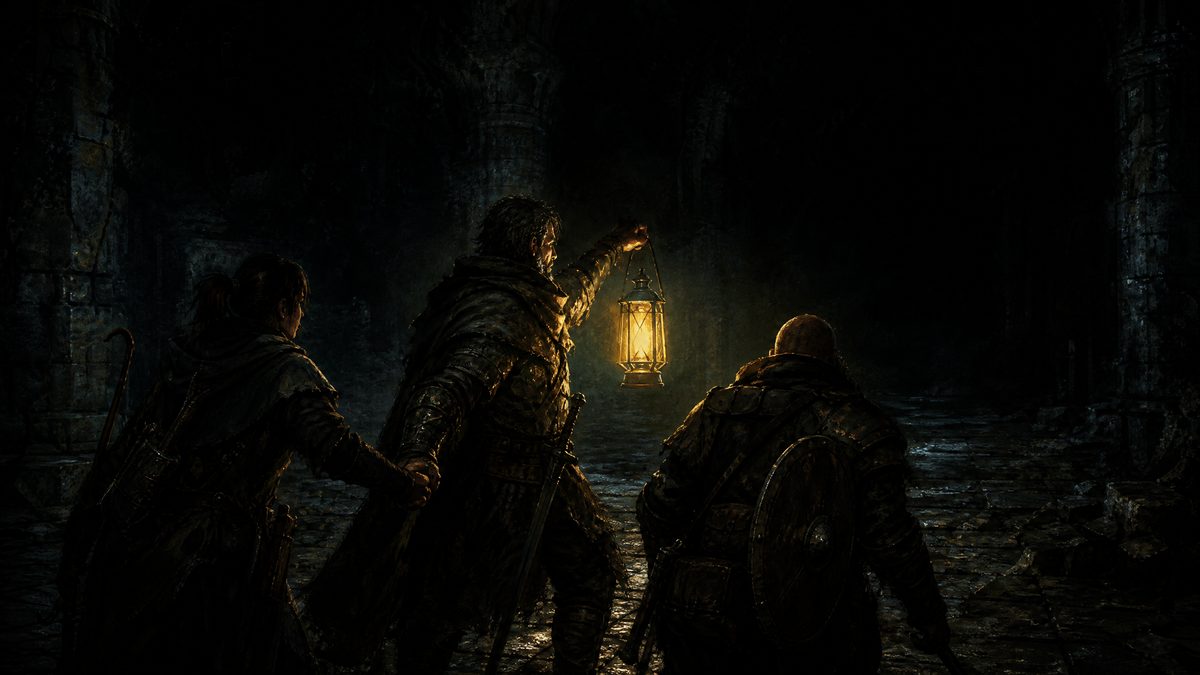
The best-designed argument we have ever had with a friend. One lantern, three players, and a game that understands exactly how selfish a frightened person becomes.
Co-operative games are almost always reviewed by one person describing what two people might experience. We do it the other way around: every game here is played to completion by a pair or a group, and the review reports what happened between us as well as what happened on screen.
How good the game is with the number of players it was designed for, played by people who did not rehearse. This is the headline number and it is the only one we lead with.
The same game played alone, where that is possible. Some co-op games are perfectly good single-player experiences and some collapse entirely, which is worth knowing before you buy two copies.
How many hours we played before the arrangement stopped being fun — through boredom, frustration or one player quietly carrying the other. Measured, not guessed.
Whether a strong player and a weak one can enjoy the same session. The single most useful thing to know about a co-op game and the thing reviews mention least.
Partnership survival is the number we trust most, because it is the hardest to argue with. A game that holds two people happily for thirty hours has solved something that a game with a better solo score has not even attempted.
Thirty-four hours before either of us wanted to stop, and a communication system built entirely out of light rather than voice. The best co-op game in the file.
One light between three players. A game that engineers selfishness deliberately and then makes you live with what you did in the dark.

Fast, loud and forgiving, until the fourth region introduces a timer that turns a friendly kitchen into a place where somebody has to be blamed.
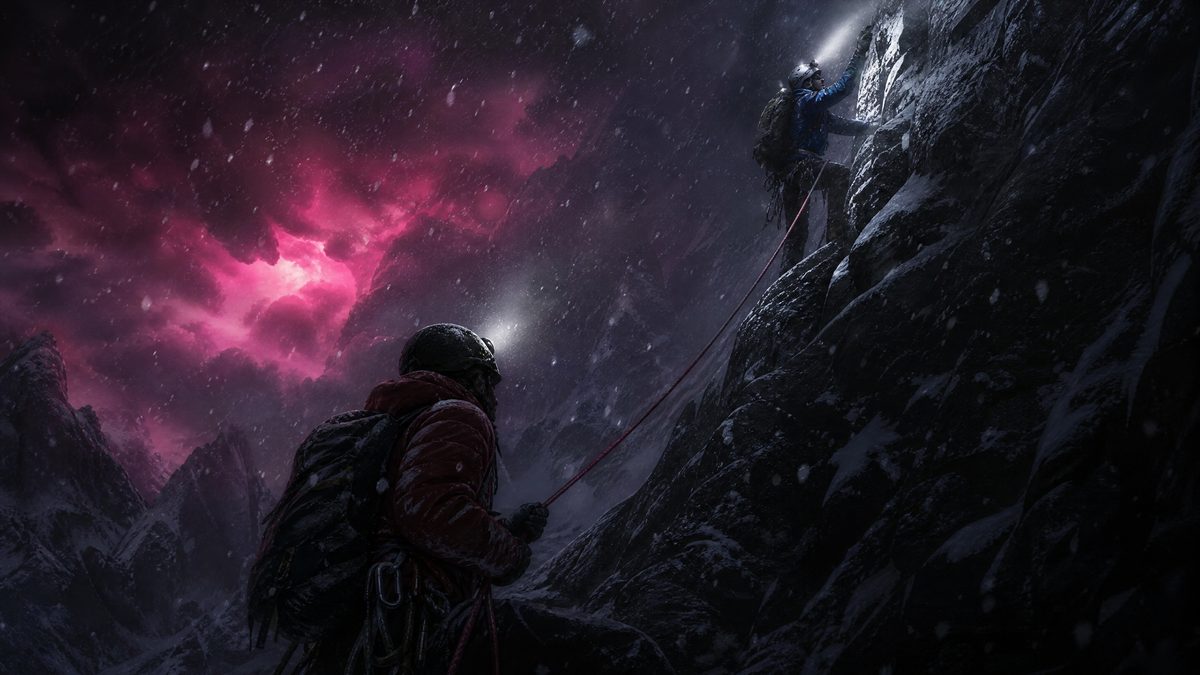
The most demanding game here and the one with the widest skill-gap problem. Twenty-nine hours together, of which the last nine were one player working and one watching.
Two players in one locomotive cab, one driving and one reading orders aloud. A game almost entirely made of talking, and better for it.
Four-player firefighting with excellent equipment design and a friendly-fire model that punishes exactly the wrong person.
Everything else in the file, ordered by partnership survival, from a twelve-minute disaster to a game we are still playing.
Two running logs, each built from every session in the file rather than from one game. They change when a measurement changes and not on any schedule.
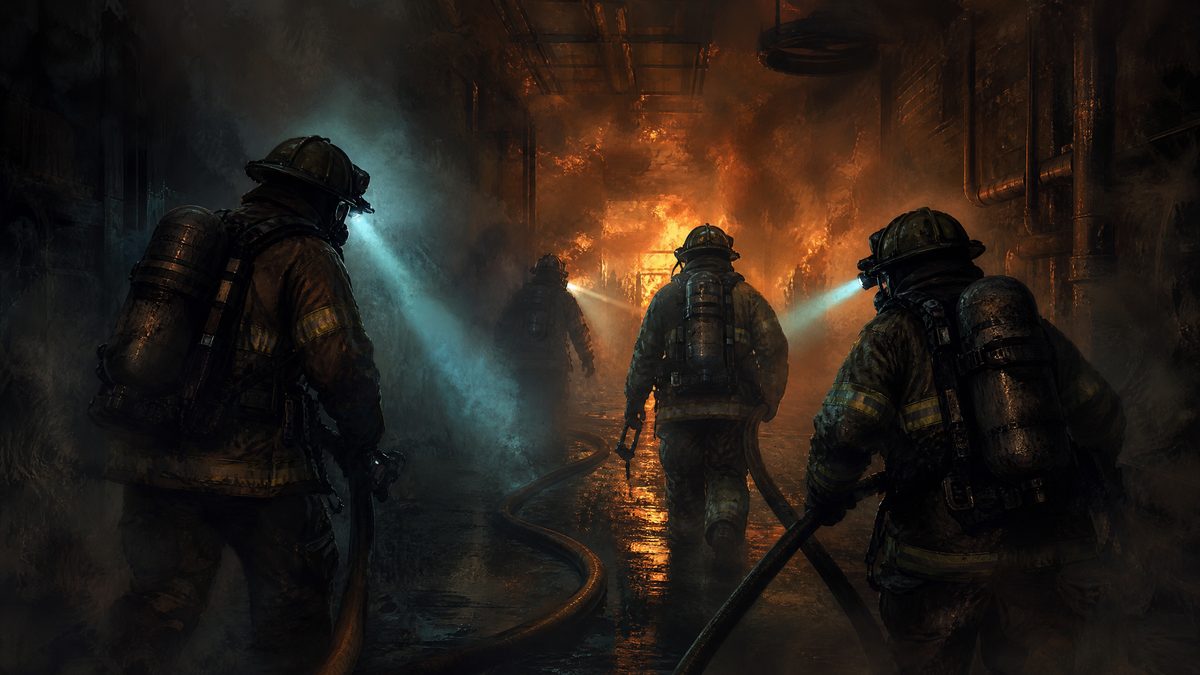
Eleven games with friendly fire, and a consistent finding: the system almost always punishes the more careful player, because the reckless one is standing behind them.
Nine games tested by deliberately abandoning one player for two weeks. Three of them handled it gracefully. Two made the returning player unwelcome in their own save.